



ADDRESS
Blog/2025.11.14
With the rapid advancement of digital display technology, outdoor LED screens have become essential for urban advertising, public information, and traffic guidance. Their high brightness, wide color gamut, and long lifespan make them suitable for commercial streets, transportation hubs, sports venues, and public squares. Unlike indoor displays, outdoor screens must endure complex and variable environments, making key performance parameters critical.
Brightness
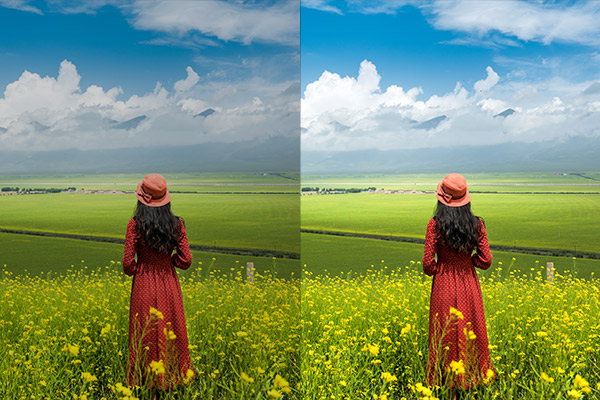
Brightness is a primary visual metric for outdoor LED displays. To remain visible under direct sunlight, screens typically offer 5,000–10,000 nits (cd/m²), with some high-end models exceeding this range. High brightness enhances daytime visibility and ensures content is effectively conveyed. Many modern displays include automatic brightness adjustment to optimize visual performance and conserve energy.
Viewing Angle
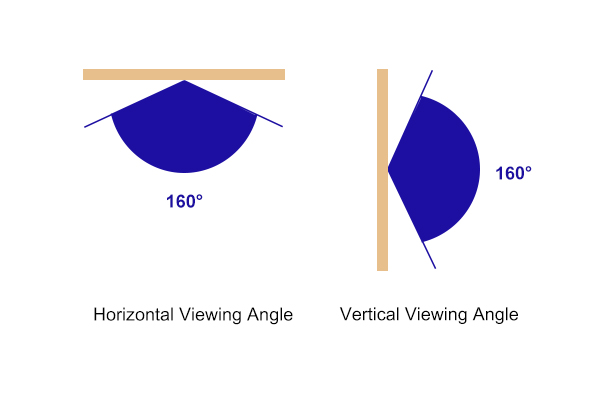
The viewing angle refers to the maximum range from which users can clearly see all content on an LED display. It is typically expressed as horizontal/vertical, e.g., “140°/140°.” In public applications, such as outdoor billboards and traffic information screens, a wide viewing angle (usually 120°–160°) is necessary to ensure that content is clearly visible from different directions.
Pixel Pitch
Pixel pitch is the distance between the centers of adjacent pixels, measured in millimeters (mm), and determines the display resolution and image detail. For outdoor displays, larger pixel pitches such as P4, P6, or P8 are commonly used for long-distance viewing, while smaller pitches offer higher resolution and finer image quality but increase cost and power consumption.
Contrast Ratio
Contrast ratio is the brightness ratio between a full-white image (maximum brightness) and a full-black image (minimum brightness). Higher contrast ratios allow for richer light and dark gradations, resulting in more vivid and realistic visuals. It also improves the distinction between text and background, ensuring that content is clearly recognizable even from a distance or during quick glances. Low contrast can lead to “color washout” under sunlight, reducing readability.
Refresh Rate
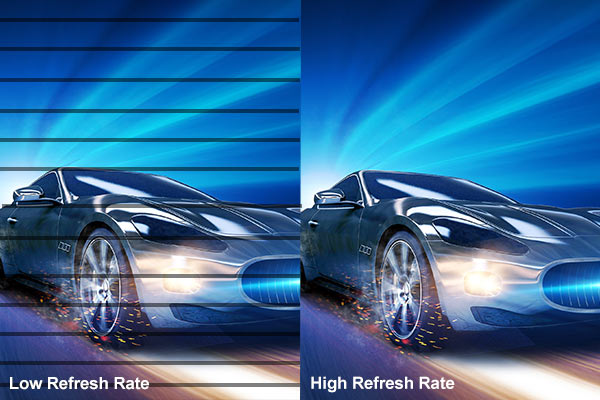
The refresh rate indicates how many times per second the screen refreshes its image, measured in hertz (Hz). Higher refresh rates reduce flickering and motion blur, providing more stable and smooth visuals. Outdoor displays generally require rates above 3,840 Hz, particularly for glasses-free 3D screens, to prevent flicker or scanning lines during filming.
2. Hardware Parameters
Ingress Protection (IP) Rating
Outdoor screens must resist rain, dust, UV, and temperature fluctuations. IP65 or higher ensures dustproofing and water resistance, safeguarding internal components and enhancing durability in harsh weather.
Thermal Management
Outdoor LED displays generate considerable heat when operating at high brightness for long periods in hot environments. Effective thermal management is critical for stable operation and prolonging service life. The YES TECH ES series features large-area heat dissipation structures and fanless designs, effectively improving heat dissipation efficiency and ensuring long-term stable operation.
Energy Efficiency
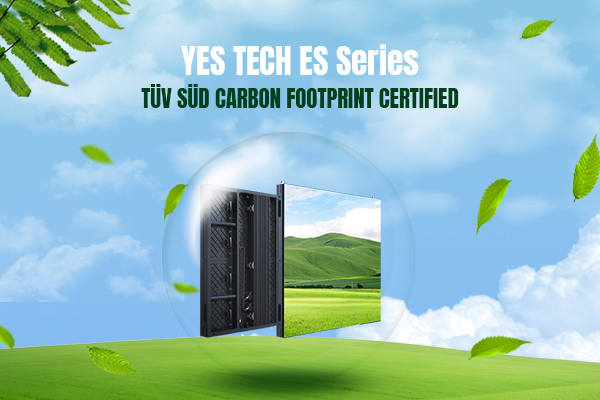
With the growing focus on green practices and the continuous operation of outdoor signage, the energy efficiency of outdoor LED displays is receiving increasing attention. High-efficiency LED chips and automatic brightness adjustment technologies significantly reduce power consumption. The YES TECH ES series is TÜV SÜD-certified for carbon footprint compliance, offering energy-efficient, eco-friendly performance while extending lifespan and enhancing operational safety.
Maintenance Design
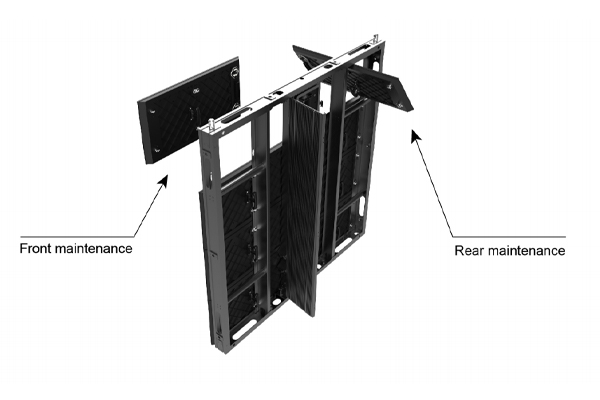
Given that outdoor LED displays are often installed at heights or in complex locations, ease of maintenance is a key design consideration. Modern outdoor LED displays support both front and rear maintenance: front maintenance allows modules or power supplies to be quickly replaced from the front, suitable for wall-mounted or embedded installations; rear maintenance requires access from the back. Thoughtful maintenance design reduces operational difficulty and cost.
Installation Methods and Structural Adaptability
Outdoor LED screens can be installed in various ways, including pole-mounted, wall-mounted, suspended, or mobile stand configurations. Installation structures must consider seismic resistance and load-bearing requirements to ensure stability under various forces. Additionally, display enclosures often use corrosion-resistant and UV-resistant materials and coatings to enhance durability in humid, salty, or high-temperature environments.
Outdoor LED displays are engineered to deliver both superior visuals and reliable operation. Brightness, viewing angle, pixel pitch, contrast ratio, and refresh rate ensure clear and smooth imagery under strong light. High IP ratings, efficient thermal management, energy-saving features, and versatile installation options guarantee long-term performance in harsh outdoor conditions. Compared with indoor screens, outdoor displays require stricter durability and brightness standards, making them vital for urban information dissemination and advertising.


+86-(0)731-84539619


Hunan Yestech Optoelectronic Co., Ltd. Terms of Service Privacy Policy Powered by szweb


