



ADDRESS
Blog/2025.10.15
In indoor applications such as conference rooms, exhibition halls, and broadcast studios, LED displays are more than just information presentation terminals—they serve as visual elements that integrate seamlessly with the surrounding environment. Their core value lies in delivering fine, realistic visuals at close viewing distances while achieving structural and visual harmony within a limited space. Achieving this requires a systematic consideration of both visual performance and hardware design.
● Pixel Pitch
Pixel pitch is the key metric for measuring the image fineness of an LED display, expressed in millimeters. Current mainstream micro-pitch technologies, such as P0.9 and P0.78, integrate higher pixel density per unit area. A smaller pixel pitch corresponds to higher pixel density, ensuring clear, detailed images even at extremely close viewing distances, free from noticeable graininess. Pixel pitch is the foundation for achieving high-definition image quality.
● Brightness and Contrast
Indoor environments have controllable lighting, so excessive brightness is unnecessary. A moderate brightness range of 800–1500 nits, combined with intelligent light-sensing adjustment, ensures clear and comfortable visuals under varying lighting conditions without glare. High contrast allows deeper blacks and purer whites, significantly enhancing image depth and detail.
● Refresh Rate and Color Gamut
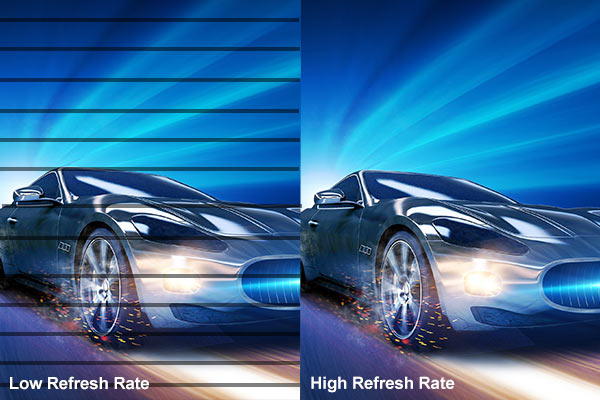
A high refresh rate (typically ≥3840 Hz) is crucial for smooth dynamic image display, effectively suppressing scan lines and flickering during recording. Coupled with wide color gamut technology, the display can reproduce a richer range of colors, accurately reflecting the original saturation and vibrancy of content and creating an immersive visual experience.
● Uniformity
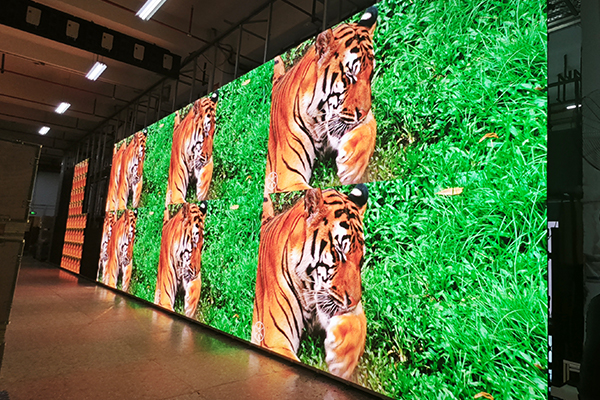
A premium LED display should maintain highly consistent brightness and color performance across all viewing angles and screen areas. Advanced uniformity control technology ensures a flawless, pure image across the entire screen, effectively eliminating localized dark spots (areas with abnormally low brightness caused by LED performance variations or degradation) and color blocks between modules (visible color inconsistencies or patchiness). This level of performance is one of the core criteria for evaluating the image quality of a professional-grade LED display.
2. Hardware Design Parameters: Ensuring Seamless Integration
● Ultra-thin Cabinet and Lightweight Design
To adapt to limited indoor space, indoor LED displays often use ultra-thin, lightweight die-cast aluminum cabinet structures. This design allows wall embedding or wall mounting, saving space and reducing structural load on buildings, achieving seamless integration with interior environments. Innovations such as YES TECH’s polymer nano material cabinets combine ultra-lightness with high toughness, accommodating a variety of installation scenarios.
● Precise Installation and Seamless Splicing
Flexible installation options—including wall-mounting, embedded installation, curved assembly, and mobile stands—meet diverse application needs. Precision cabinet structures with micro-adjustment mechanisms ensure high flatness after multi-screen splicing, achieving millimeter-level seam control for an almost seamless visual effect.
● Thermal Management
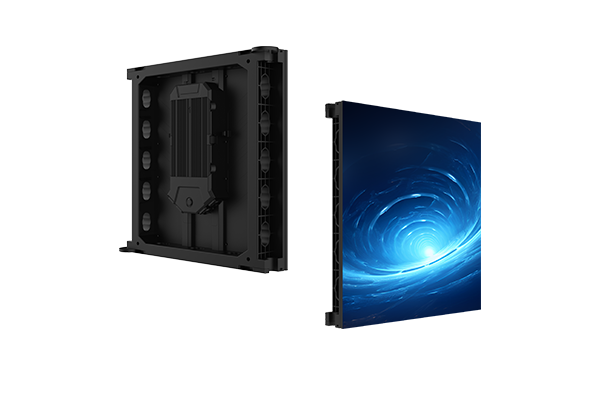
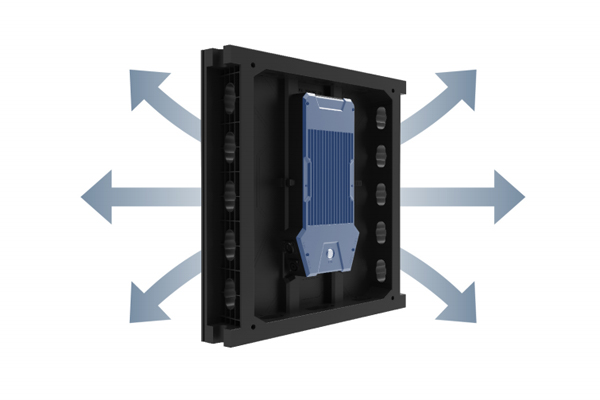
To maintain a quiet and comfortable indoor environment, high-end indoor LED displays feature efficient, silent cooling systems. Uniform and effective heat dissipation is critical for ensuring consistent brightness and color stability, extending component lifespan, and delivering a stable viewing experience.
For example, the YES TECH MG9 LED display (the latest indoor & outdoor rental product of the MG series) employs dual thermal management to evenly disperse heat from LEDs and driver ICs. The integrated cabinet rear cover and heat dissipation design increase surface area and efficiency, enhancing overall display stability and operational reliability.
● Front Maintenance Design
Front maintenance solves the problem of inaccessible rear maintenance space. Technicians can replace or service modules and cabinets directly from the front, simplifying maintenance procedures and reducing time and labor costs.
In indoor LED projects, selecting a display requires the collaborative optimization of visual performance and hardware design. Superior pixel pitch, contrast, and refresh rate define the upper limit of visual performance, while ultra-thin, seamless cabinets, silent and efficient cooling, and front-access maintenance ensure integration adaptability and long-term reliability. Only by balancing both can a display deliver outstanding visuals and sustained commercial value in real-world applications.


+86-(0)731-84539619


Hunan Yestech Optoelectronic Co., Ltd. Terms of Service Privacy Policy Powered by szweb


