



ADDRESS
Blog/2025.09.16

What is Color Temperature in LED Displays?
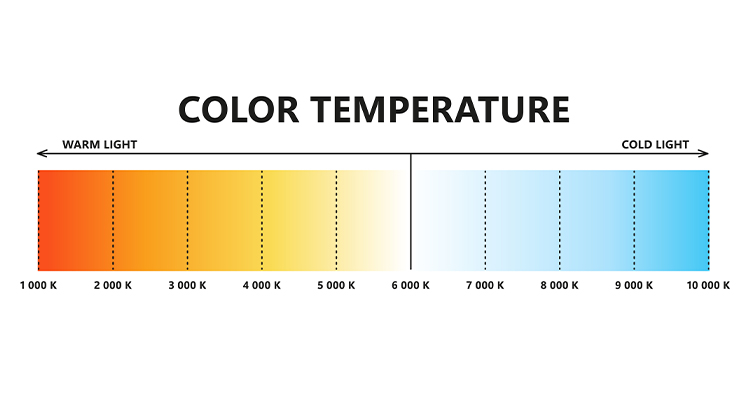
Color temperature is a physical metric used to describe the color characteristics of a light source. It does not refer to the actual heat of the light but rather to the perceived color emitted by an “ideal black body” as it is heated. For LED displays, color temperature specifically refers to the tone of white shown when the screen displays a pure white image, determining whether the white appears more bluish or yellowish. The unit of measurement is Kelvin (K).
Basic Principle: Imagine a piece of iron (an black body). As it is gradually heated, its glow changes from deep red to orange, yellow, white, and eventually bluish-white. Color temperature quantifies these color stages in numerical form.
Common Color Temperature Ranges
Produces a warm light similar to incandescent bulbs or sunrise/sunset lighting. Ideal for creating cozy atmospheres, commonly used in indoor cinemas, studios, and conference rooms.
· Neutral Color Temperature (5000K–6500K):
Close to natural daylight, this is the most widely used range for LED displays. It is common in outdoor advertising screens, live broadcast backdrops, large-scale stage performances, and exhibition displays. The D65 standard (approx. 6500K) is recognized internationally as the reference white point for display devices, ensuring accurate color reproduction and faithful image rendering.
· High Color Temperature (8000K–9300K):
Produces a cooler, bluish light with higher visual impact. This range is often used in stadium screens, outdoor LED billboards, and other environments where strong visual emphasis is required. A setting around 9300K is also adopted in certain broadcast television systems.
Why is Color Temperature Critical for LED Displays?
· Accurate Color Reproduction:
Color temperature forms the foundation of color calibration. If not set correctly, the display may suffer from overall color bias. In applications requiring precise color fidelity—such as film post-production, broadcast studios, and medical imaging—screens must be calibrated to the standard value (e.g., 6500K D65). This ensures that white appears pure and neutral, avoiding yellow or blue shifts, and guarantees accurate reproduction of all colors.
· Visual Comfort and Viewing Experience:
Inappropriate color temperature settings can cause visual fatigue, particularly in environments where viewers watch for extended periods (e.g., control rooms or conference displays). Proper color temperature enhances comfort and reduces eye strain. For example, in bright environments such as outdoor plazas or shopping malls, higher color temperatures help images appear clearer, brighter, and more eye-catching, effectively countering ambient light interference.
Color temperature is a cornerstone of LED display color management. It goes far beyond the concept of “warm” or “cool” tones—it directly affects color accuracy, viewing comfort, and integration with the surrounding environment.


+86-(0)731-84539619


Hunan Yestech Optoelectronic Co., Ltd. Terms of Service Privacy Policy Powered by szweb


