



ADDRESS
Blog/2026.08.04
Outdoor transparent LED displays have moved beyond being a creative alternative for visual design. In recent years, they have become an increasingly practical solution for large-scale entertainment productions, architectural media installations, and outdoor events where traditional LED systems may create limitations in terms of weight, visibility, and environmental integration.
The appeal of transparent LED technology is clear. By allowing light, scenery, and surrounding structures to remain visible behind the display, it creates a different relationship between digital content and physical space. However, as transparent LED screens are being used in larger and more demanding outdoor environments, the industry is beginning to evaluate performance from a more technical perspective.
A successful outdoor transparent LED installation is not defined only by how transparent it looks. It must also answer more fundamental engineering questions: How does the display respond to wind pressure? Can the structure remain stable during long-term operation? Can the system maintain consistent performance during transportation, installation, and changing weather conditions? These considerations have made wind permeability and structural stability two of the most important factors shaping the next generation of outdoor transparent LED displays.
Outdoor Transparent LED Requires a Different Approach to Environmental Challenges
Outdoor LED applications are fundamentally different from indoor installations. A screen used for a concert stage, festival, or outdoor ceremony is often exposed to open environments where wind, humidity, and temperature changes directly influence the performance requirements of the equipment.
Among these factors, wind load is one of the most critical challenges. Large LED displays naturally create a surface area that interacts with moving air. When wind hits a conventional solid LED structure, pressure can build across the front and rear surfaces, transferring additional force to the cabinet, connection system, and supporting structure.
Transparent LED technology addresses this challenge through a different structural concept. Instead of creating a completely closed surface, transparent LED screens allow air to pass through the display. This airflow reduces the pressure difference generated by wind and helps lower the overall force applied to the installation system.
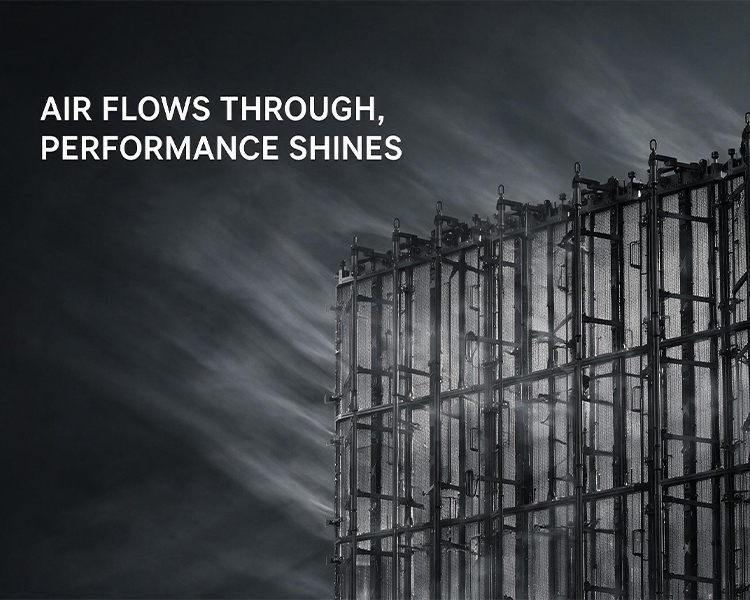
However, professional transparent LED engineering requires more than simply increasing the open area of the display. A screen with excessive openness may affect visual consistency, while insufficient structural reinforcement can compromise reliability. The real challenge is achieving an optimized balance between transparency, image performance, and mechanical strength.
This balance has become particularly important as transparent LED moves into large-scale applications. Event producers and system integrators are no longer looking only for visually impressive displays. They need solutions that can perform reliably in complex outdoor environments.
Wind Permeability Is Becoming a Key Performance Indicator for Outdoor LED Systems
For many years, LED display evaluation focused primarily on visible specifications such as brightness, pixel pitch, refresh rate, and color performance. These factors remain essential, but outdoor transparent LED applications have introduced another dimension: environmental adaptability.
Wind permeability represents a deeper level of engineering consideration because it directly affects installation safety and structural requirements. In outdoor events, especially temporary installations, displays are often positioned in locations where wind conditions cannot be completely controlled. Large stages, elevated structures, and open-air venues all require LED systems that can work together with the surrounding environment rather than simply resist it.
A well-designed transparent LED display uses its structure to manage airflow more effectively. By reducing wind resistance, it can help minimize stress on supporting frameworks and improve installation flexibility. This is especially valuable for touring productions, where equipment must be deployed across different locations with different environmental conditions.
At the same time, wind performance cannot be separated from the rest of the display system. Cabinet design, connection mechanisms, frame materials, and installation methods all contribute to overall stability. Wind permeability provides an advantage, but structural engineering determines whether that advantage can be fully realized.
Structural Stability Defines Long-Term Reliability in Outdoor Applications
While wind permeability helps reduce environmental pressure, structural stability determines how consistently a transparent LED display performs throughout its operational lifecycle. Large outdoor LED installations are complex structures made up of hundreds or thousands of individual cabinets. These components must function as one continuous surface while maintaining precise alignment and mechanical integrity.
For rental and touring applications, this requirement becomes even more demanding. LED systems are repeatedly transported, assembled, dismantled, and installed in different environments. Over time, the quality of the cabinet structure and connection system directly affects installation efficiency, screen flatness, and operational reliability. Modern outdoor transparent LED solutions are therefore moving toward lightweight structures with improved mechanical performance. The goal is not simply to reduce weight, but to achieve a better relationship between mobility and durability.
Advanced materials and optimized structural designs allow manufacturers to create cabinets that are easier to handle while maintaining the strength required for outdoor use. This approach is particularly valuable for large-scale productions where installation time, transportation costs, and workforce efficiency directly influence project success. Beyond the cabinet itself, connection technology also plays a crucial role. Reliable locking mechanisms and precise positioning systems help maintain stability across large screen surfaces, reducing alignment issues and ensuring consistent visual performance throughout an event.
The Growing Demand for Transparent LED Solutions Designed for Real-World Performance
As transparent LED technology continues to expand into professional outdoor applications, the market is placing greater emphasis on complete system performance rather than individual specifications. For touring companies, rental providers, and event production teams, a transparent LED display must support creative ambitions while meeting practical requirements. It must be lightweight enough for efficient deployment, strong enough for complex installations, and reliable enough to operate under unpredictable outdoor conditions.
This shift has encouraged manufacturers to rethink transparent LED design from an engineering perspective. The future of outdoor transparent LED is not simply about creating a more invisible display. It is about developing systems that integrate visual openness with structural confidence. YES TECH MAir Series reflects this evolution by addressing the practical challenges faced by modern outdoor productions. Designed for touring performances, festivals, and large-scale outdoor applications, MAir combines lightweight construction, high transparency, and structural reliability within one integrated system.
The series adopts a seamless one-piece carbon fiber frame design to achieve a lightweight yet durable structure. With a cabinet weight of 19kg and a design optimized for efficient deployment, MAir helps reduce the physical demands associated with large-scale transparent LED installation while maintaining the strength required for outdoor environments.
At the same time, MAir is engineered to achieve a balance between transparency and environmental adaptability. With up to 47% transparency on the P7.8 model, the display maintains visual openness while its optimized open structure improves airflow and helps reduce the pressure caused by wind loads. Combined with a high-strength structural design, MAir supports stable operation in wind speeds of up to 20 m/s, making it well suited for outdoor stages, touring productions, festivals, and other demanding performance environments.
For complex installations, MAir also provides enhanced structural adaptability. Its design supports hanging applications up to 25 meters and incorporates outdoor protection features such as Black Seal Potting IP65 technology, helping maintain stable performance in challenging weather conditions.
The development of outdoor transparent LED technology is moving toward a new standard: performance is no longer measured only by what audiences see, but also by what happens behind the screen. Wind permeability, structural stability, and environmental adaptability are becoming essential elements in determining whether a transparent LED solution can succeed in demanding outdoor environments.
As the industry continues to evolve, the most valuable transparent LED systems will be those that combine creative freedom with engineering reliability. By balancing openness and strength, outdoor transparent LED technology will continue to expand the possibilities of modern visual experiences while meeting the increasingly complex requirements of professional productions.


+86-(0)731-84539619


Hunan Yestech Optoelectronic Co., Ltd. Terms of Service Privacy Policy Powered by szweb


